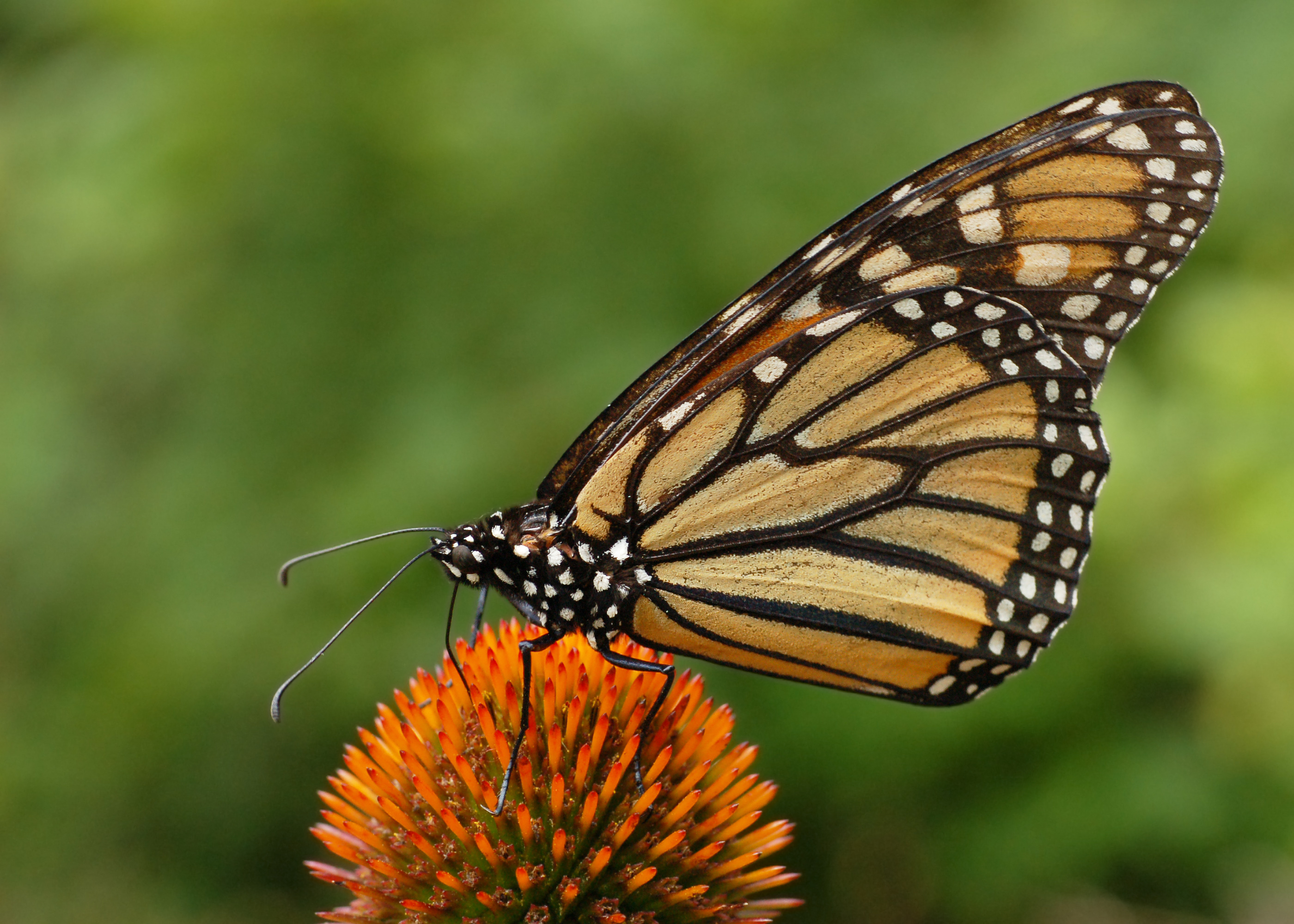
Selecting and establishing indigenous trees, shrubs, and perennials adapted to local soil types and regional climate conditions across Canada — practical information for homeowners and property stewards.
Read: Native TreesFeatured
Plants native to a region have spent thousands of years developing relationships with local soils, rainfall patterns, pollinators, and seasonal temperature shifts. When introduced to a garden within their natural range, they tend to require less supplemental watering once established, resist local pest pressure better than ornamental exotics, and provide habitat value that supports regional wildlife food webs.
This is not a universal rule — planting conditions, drainage, and regional soil chemistry all matter — but the pattern holds consistently enough to be a practical starting point when planning a landscape.
Planting Perennials Guide
A well-structured native landscape typically combines canopy trees for shade and wildlife nesting, mid-story shrubs for seasonal colour and berry production, and a ground layer of perennials and sedges that stabilise soil and support insects. Each layer has different establishment timelines and care requirements.
Native Shrubs OverviewReference material on native plant selection, soil preparation, and seasonal establishment for Canadian growing conditions.
Key topics
Soil & Drainage
Matching plant root requirements to existing soil texture — sandy, loamy, or clay-heavy — without overworking the ground.
Regional Climate
Understanding hardiness zones and frost dates across provinces to guide planting windows and species selection.
Pollinator Habitat
Indigenous flowering plants that support native bee populations, butterflies, and hummingbirds through the growing season.
Context
A plant that has naturalised in Canada — meaning it now reproduces and spreads here on its own — is not the same as a plant that is indigenous to a region. Common examples like purple loosestrife or Norway maple have become widespread, but they did not originate in North American ecosystems and do not carry the same ecological relationships as true native species.
When selecting plants for a native garden, the distinction matters: indigenous species support local insects and birds that have evolved to use them specifically. Naturalized plants may look similar but often do not fill the same ecological role.
About this resource