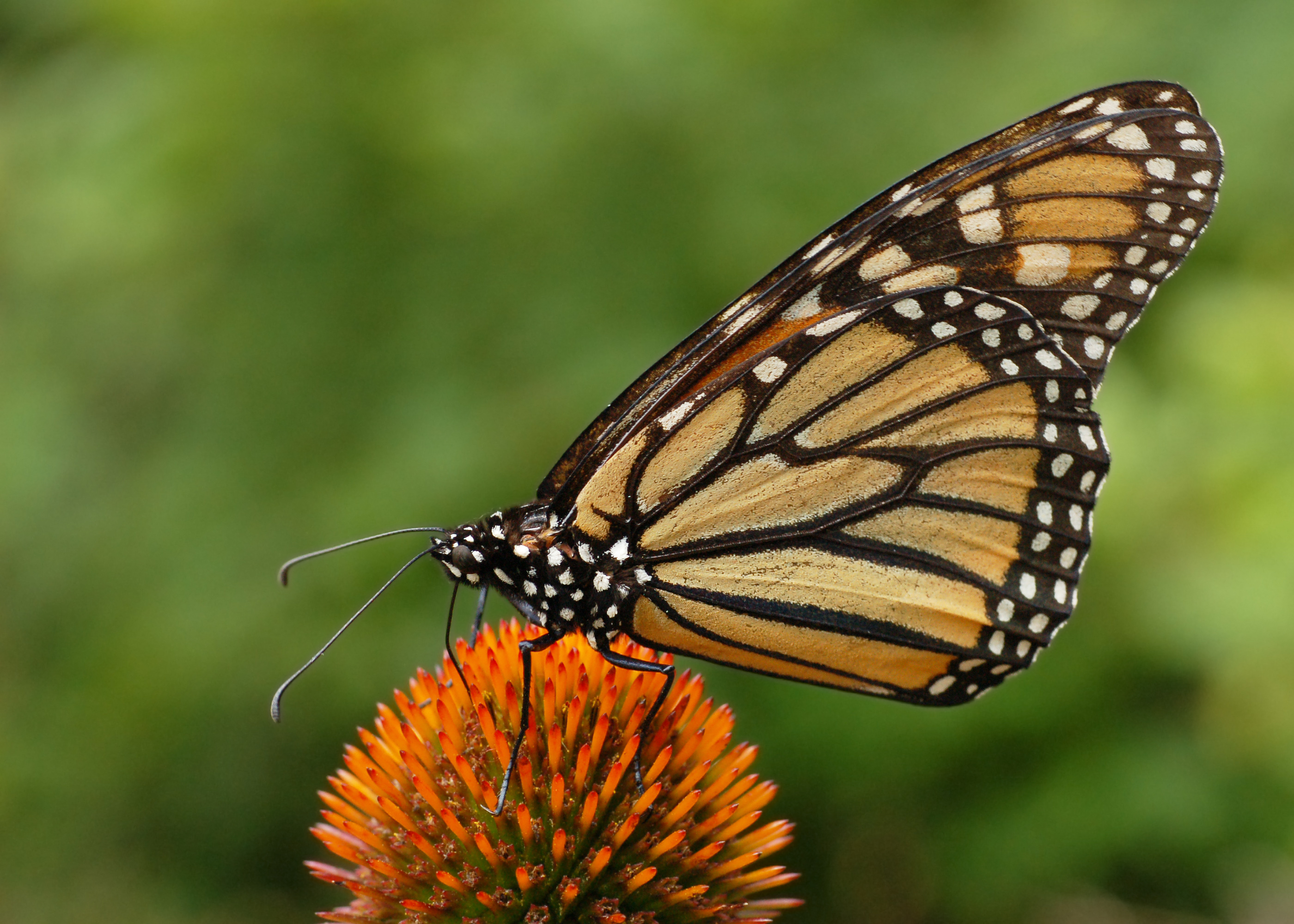
Native perennials form the ground layer of a Canadian native landscape. They are the most diverse plant group in terms of species count, they provide the bulk of the pollinator habitat in a garden, and in many cases they are the most resilient layer — capable of recovering from disturbance, drought, or winter damage more readily than trees or shrubs. But establishing them in a typical Canadian yard, particularly one with compacted urban soil or a history of lawn use, takes more attention than simply inserting container plants into the ground.
Understanding the soil you are working with
Canadian soils vary considerably by region and within individual properties. The generalised picture looks something like this: prairie soils tend to be deep, dark, and fertile but alkaline; Ontario and Quebec have a mix of clay-heavy lacustrine soils in river valleys and shallower, rockier ground on the Shield; Maritime soils are often acidic and sandy near the coasts; and British Columbia's soils range from fertile river delta loams to thin glacial soils in mountain valleys.
Before selecting perennial species, it is worth understanding what the existing soil can and cannot do. A simple jar test — filling a jar with soil and water, shaking it, and letting it settle — gives a rough indication of the relative proportions of sand, silt, and clay. Clay-heavy soils drain slowly and compact easily under foot traffic but retain nutrients well. Sandy soils drain quickly and warm up faster in spring, but dry out rapidly and need more organic matter to hold moisture. Loam — a rough balance of sand, silt, and clay — is the standard against which most garden advice is calibrated.
Preparing ground without degrading it
The instinct when establishing a new planting area is to till the soil, but aggressive tilling destroys soil structure, brings dormant weed seeds to the surface, and disrupts the fungal networks that many native plants rely on for nutrient exchange. A less invasive approach that has become more common in native plant gardening involves sheet mulching or the "lasagna" method: layering cardboard over existing turf or weeds, topping it with a deep layer of wood chip mulch, and planting directly into the mulch layer or through it into the soil below.
This approach suppresses existing vegetation without tilling, gradually improves soil organic matter as the materials break down, and maintains soil structure. It is not suitable for all situations — very clay-heavy sites may need targeted amendments in planting holes — but for many urban and suburban yards it is a practical first step.
Native perennials by site condition
Dry, well-drained sites
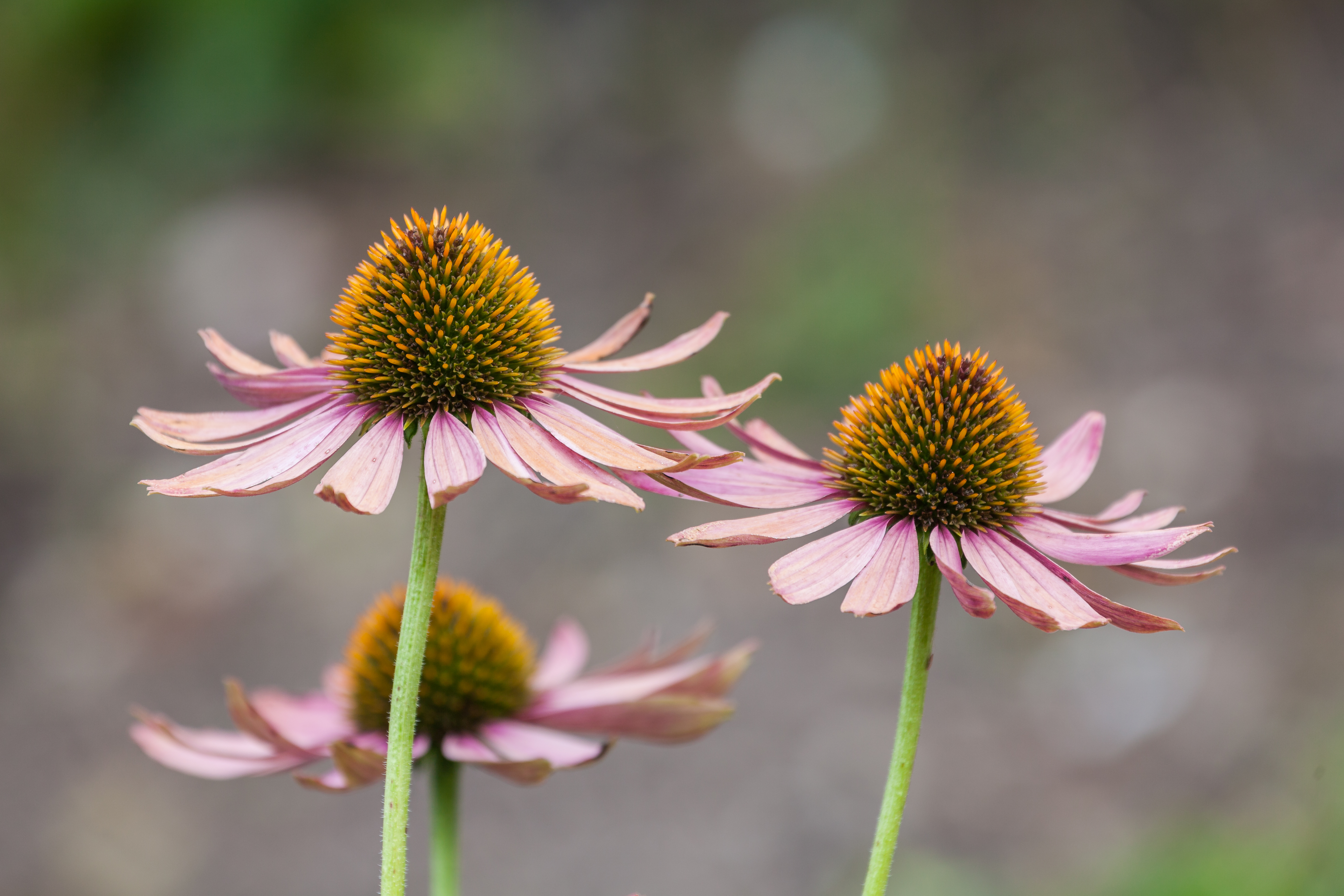
Dry conditions suit a different set of native perennials than most gardeners expect from the aesthetic of a colourful summer border. Purple coneflower (Echinacea purpurea) is the most widely known — it tolerates dry, clay-loam soils and produces large rose-purple flower heads from July into September that are used by bees and, as seed heads dry through autumn, by goldfinches. Wild bergamot (Monarda fistulosa) is similarly drought-tolerant once established and produces dense clusters of lilac flowers that are highly attractive to native bees, particularly bumblebees.
For more challenging, very dry sandy sites, prairie blazing star (Liatris pycnostachya) and butterfly weed (Asclepias tuberosa) are both suited. Butterfly weed is the only Asclepias species that is not dependent on moist conditions — it grows in open, rocky, or sandy ground across southern Ontario.
Moist to average soils
The majority of Canadian residential yards have soils that are neither consistently wet nor consistently dry, and the range of native perennials suited to this middle ground is broad. Blue wild indigo (Baptisia australis) produces blue-violet flower spikes in late spring and develops into a substantial, long-lived clump. Canada anemone (Anemone canadensis) is useful for ground cover in partial shade and spreads readily once established. Great blue lobelia (Lobelia siphilitica) prefers the moister end of average conditions and produces striking blue flower spikes in late summer that attract both hummingbirds and long-tongued native bees.
Wet or seasonally flooded sites
Low areas in a yard that collect water and drain slowly are often treated as problems to solve. In a native planting context, they are opportunities. Joe-Pye weed (Eutrochium maculatum) tolerates wet conditions and grows tall — often two metres or more — making it useful as a screen or back-of-border plant. Swamp milkweed (Asclepias incarnata) is an important host plant for monarch butterflies and grows in wet meadows and along pond edges. Both produce flowers that attract a broad range of pollinators and seed heads that provide winter food for birds.
Planting timing
In Canada, the practical window for planting container-grown native perennials is late spring through early summer, or alternatively early autumn. Spring planting gives plants a full growing season to establish before winter, but the soil needs to have warmed and dried sufficiently to work without compaction. Autumn planting, typically from late August through September depending on the region, can also be effective — the plants establish roots during the cooler, moister conditions of autumn before going dormant, and emerge the following spring with a head start.
Bare-root perennials, which are available from some native plant nurseries, should be planted in early spring when they are still dormant. They are often more affordable than container stock and establish well when planted promptly.
The first season after planting
The most common mistake with newly planted native perennials is assuming they are underperforming when they are actually following a normal establishment pattern. The horticultural saying "first year sleeps, second year creeps, third year leaps" describes what many native perennials do: they spend the first growing season establishing roots rather than producing significant top growth, begin to show more foliage in the second year, and by the third year are typically flowering reliably and beginning to fill their intended space.
During the first season, watering in dry periods, removing competing weeds before they set seed, and avoiding any soil disturbance around the planting are the main management tasks. By the second and third years, a well-chosen and well-sited native perennial planting requires progressively less intervention.
Leaving the garden standing through winter
A practice common in conventional gardening — cutting back all perennial stems in autumn — removes valuable winter habitat for native bees that overwinter in hollow or pithy stems, and eliminates seed heads that provide food for overwintering birds. Leaving native perennial stems standing through winter and cutting them back in late March or early April when temperatures are consistently above freezing is a small change with meaningful consequences for local insect populations.